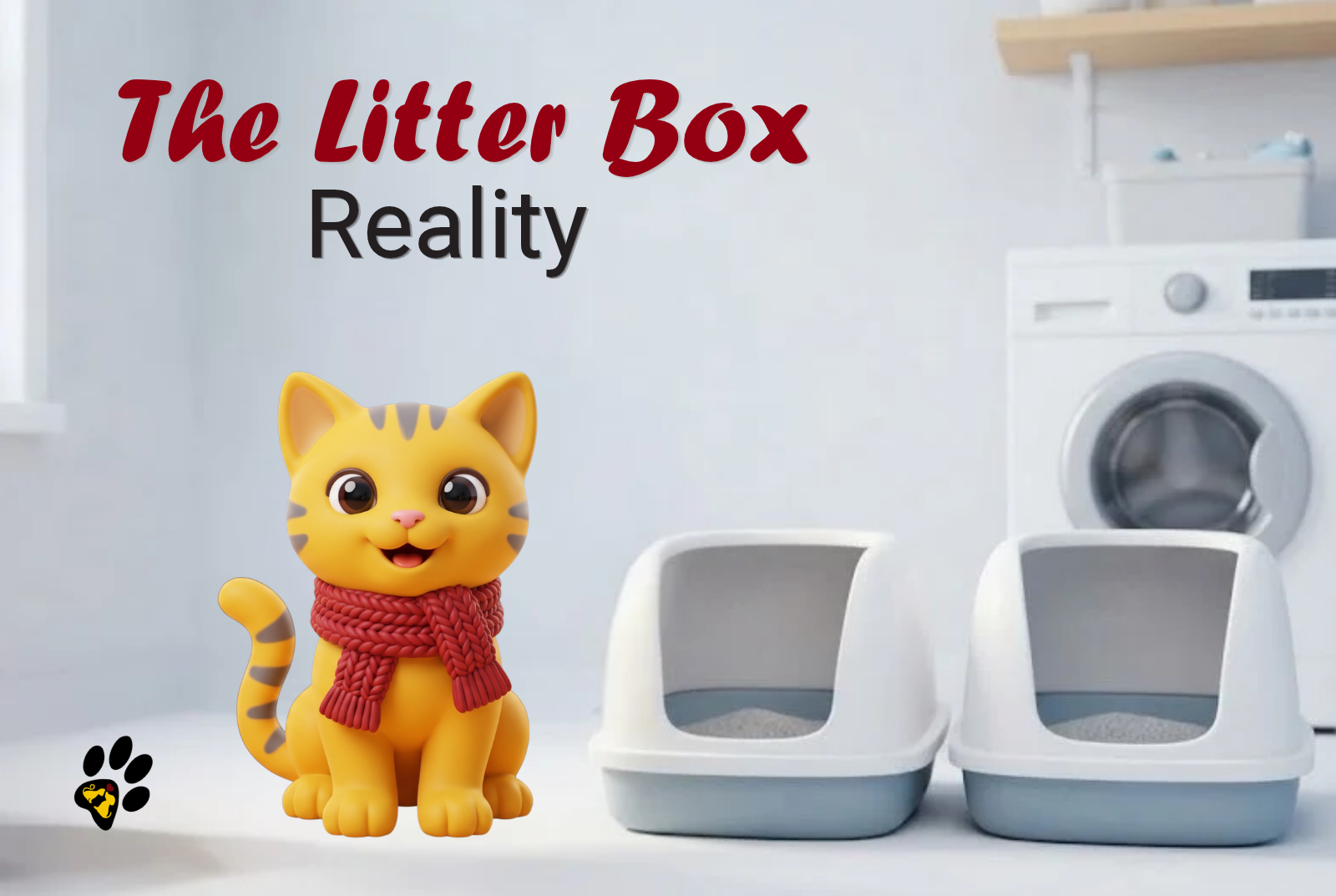
The Litter Box Reality: Golden Rules and Hidden Hazards
For many cat owners, cleaning the litter box is viewed simply as a smelly household chore. However, approaching a litter box with a casual mindset is a disservice to your cat’s behavioral needs and a significant risk to your own health.
True guardianship means understanding the biological instincts of our felines and respecting the hazardous environment a litter box can become if not managed with absolute professionalism. Here is what every cat owner needs to know about the golden rule of litter boxes and the invisible dangers inside them.
1. The "N+1" Golden Rule
There is a strict, non-negotiable rule in feline behavioral science: The number of litter boxes in a home must equal the number of cats, plus one. If you have one cat, you need two boxes. If you have two cats, you need three.
Cats are deeply territorial and fiercely hygienic. In the wild, they do not urinate and defecate in the exact same spot, as this attracts predators. Forcing a cat to use a single, heavily soiled box causes severe psychological stress. It often leads to behavioral issues like urinating on carpets or beds—not out of spite, but out of desperation for a clean, safe environment.
2. The Ammonia Threat
A litter box is not a safe, benign environment. Cat urine is highly concentrated, and as it breaks down, it releases strong ammonia gas. In a poorly ventilated room, this ammonia builds up quickly. Breathing in these fumes regularly can cause respiratory irritation, chronic coughing, headaches, and even trigger asthma attacks in humans. If you can smell the ammonia, it is already entering your lungs.
3. Biological Risks and Parasites
Beyond ammonia, cat feces can harbor dangerous biological hazards. The most notable is Toxoplasma gondii, a parasite that causes Toxoplasmosis. While a cat might show no symptoms, this parasite is shed in their feces and can be accidentally ingested or inhaled by humans during the cleaning process. It is highly dangerous, particularly to pregnant women and anyone with a compromised immune system.
4. The Professional Cleaning Protocol
Because of these respiratory and biological risks, cleaning a litter box should never be done bare-handed or with your face close to the dust. Professional pet sitters treat litter boxes as biohazard zones. When doing a deep clean, you should always:
- Wear a mask to prevent inhaling ammonia fumes and aerosolized fecal dust.
- Wear disposable gloves to prevent cross-contamination and bacterial transfer.
- Ensure deep ventilation in the room while scooping and washing the trays.
The Kahu Approach to Feline Care
Being a guardian to a cat requires more than just opening a tin of food. It requires us to advocate for their instinctual need for space and cleanliness, while simultaneously protecting our own home environment.
When you hire a professional pet sitter, you are ensuring that these hazardous zones are managed with strict hygiene protocols, keeping both your feline companions and your property safe and sanitary.